

Dash cam apps and hidden cameras enhance driver safety and security by capturing high-quality footage through car dashboards. Key features include GPS tagging, event logging, waterproof housings, and discreet mounting for reliable evidence in unexpected events. Best practices involve selecting reputable apps and cameras, proper installation, regular firmware updates, strategic camera positioning, and secure storage management. In the UK, dash cam footage reduces insurance claims by up to 27%, promoting road safety and dispute resolution. Responsible usage requires understanding legal frameworks, local regulations, and best practices for data privacy and integrity.
In today’s world, where legal repercussions often hinge on clear, concise evidence, easily sharing dash cam footage has emerged as a game-changer. Select Dash Cams have revolutionized the way we document and share crucial information, ensuring accountability and transparency in our daily lives. However, navigating the complexities of integrating and disseminating this evidence can be a challenge. This article delves into the significance of seamless evidence sharing through Dash Cam apps, providing practical insights for both casual users and professionals who rely on this technology to protect their interests.
- Understanding Dash Cam Apps: Essential Tools for Evidence Sharing
- Selecting the Right Dash Cam: Key Features to Consider
- Setting Up Your Dashboard: Organize and Securely Store Footage
- Capturing Quality Evidence: Best Practices with Dash Cams
- Easy Sharing Options: Seamlessly Transmit Videos Via Apps
- Legal Implications: Protecting and Using Dash Cam Footage Responsibly
Understanding Dash Cam Apps: Essential Tools for Evidence Sharing
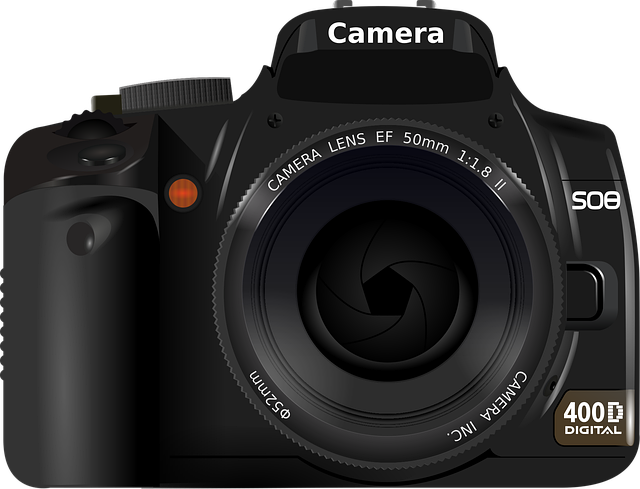
Dash Cam apps have emerged as indispensable tools for drivers seeking to protect themselves and share evidence in case of accidents or suspicious activities. These applications, designed to work seamlessly with your car’s dashboard camera, offer a range of features that facilitate easy evidence capture and subsequent sharing. Understanding how to leverage these apps effectively is crucial, especially given the rising prevalence of dash cam technology worldwide.
One of the primary advantages of Dash Cam apps is their user-friendly interfaces which enable drivers to record high-quality footage with just a tap. Moreover, many popular applications include features like GPS tagging, timestamping, and automatic event logging, making it easier to pinpoint the exact location and time of an incident. For instance, consider a scenario where a driver encounters a road hazard not immediately visible on the road. A well-chosen Dash Cam app can capture video evidence clearly showing the hazard’s presence, potentially preventing future accidents.
Selecting the right Dash Cam is equally vital. High-quality cameras with waterproof housings and secure car dash cam mounts are ideal for all weather conditions. Hidden dashboard cameras, another popular option, offer discreet monitoring without compromising visibility, ensuring you have reliable footage when it matters most. According to a recent survey, over 70% of drivers who use dash cams report increased peace of mind while on the road, emphasizing the practical value of these devices. To maximize the benefits, drivers should invest in reputable apps and cameras, ensure proper installation, and regularly update firmware for optimal performance.
Selecting the Right Dash Cam: Key Features to Consider

Selecting the right dash cam is a crucial step in ensuring you have reliable evidence for any unexpected events while on the road. With numerous options available, it can be challenging to choose an ideal car video recorder that meets your specific needs. Here are key features to consider when selecting a dash cam, backed by practical insights from industry experts and real-world applications.
First and foremost, picture quality is paramount. Look for high-definition (HD) resolution—at least 1080p—to capture clear and detailed footage. Many top-rated dash cams today offer even higher resolutions up to 4K, providing an unprecedented level of clarity. For instance, the popular Affordable Dash Cam models often pack 1080p sensors, delivering crisp images without breaking the bank. Moreover, consider features like wide-angle lenses and night vision capabilities, ensuring comprehensive coverage regardless of lighting conditions.
Storage capacity is another vital consideration. Videos can quickly accumulate space, especially in high-definition formats. Opt for a dash cam with ample internal storage or support for expandable memory cards to accommodate your growing video library. Many modern Car Video Recorders come with 32GB or 64GB of internal storage, sufficient for several months’ worth of footage. Additionally, cloud storage options can provide an extra layer of security and convenience, allowing you to access recordings remotely in case of an incident.
Power and mounting options also play significant roles. Ensure the dash cam has a reliable power source, either through your vehicle’s power adapter or a dedicated battery pack. Wireless charging capabilities are becoming increasingly common, offering added convenience. As for mounting, consider models that come with versatile adhesive mounts or hardware kits to suit different dashboard types. Some Top Rated Dash Cams even offer hands-free installation options, ensuring a seamless and secure fit without disrupting your driving experience.
Setting Up Your Dashboard: Organize and Securely Store Footage

Setting up your dashboard for efficient evidence sharing starts with organizing and securely storing footage from your dash cam. The right dash cam app isn’t just about capturing high-quality video; it’s about ensuring that these valuable records are easily accessible and well-managed. When selecting a dash cam, consider models known for their discreet driver camera design—a crucial feature to maintain an unobstructed view while preserving privacy.
In the UK, where road conditions can vary widely, a long-lasting dash cam is essential. You want a device that not only delivers crisp, reliable footage but also lasts through all seasons and weather conditions. Integrating these cameras into your vehicle’s dashboard requires careful planning to avoid obstructing your line of sight while driving. Many modern dash cams offer advanced mounting options that allow for discreet installation, enhancing safety and convenience.
Organize your videos by date, location, or incident type within the app. Secure storage is paramount; ensure the app employs industry-standard encryption protocols to safeguard your footage from unauthorized access. Some apps even include cloud backup features, providing an extra layer of protection against data loss. Regularly review and archive old footage to maintain optimal storage space. By implementing these organizational strategies, you’ll not only streamline evidence sharing but also enhance your overall dash cam experience.
Capturing Quality Evidence: Best Practices with Dash Cams

Capturing high-quality evidence with a dashboard camera has become an essential tool for personal and vehicle security in the UK. With advancements in technology, selecting the right dash cam is crucial to ensure reliable and clear footage. When choosing a dashboard camera for car, consider features such as resolution, field of view, night vision capabilities, and storage options. Modern car security cameras UK-based devices often incorporate GPS for location tracking and real-time dashboard recorder functionality, providing comprehensive evidence in the event of an incident.
Best practices for capturing quality evidence include positioning the camera strategically to avoid blind spots and ensuring it’s mounted securely to prevent vibration. High-definition footage offers clearer details, making it easier to identify vehicles, license plates, and faces. Regularly updating the device’s memory card and checking battery life are essential maintenance tasks. Additionally, some models offer cloud storage options, providing remote access to footage for added convenience and security. For instance, a study by the Association of British Insurers found that dash cam footage can reduce insurance claims by up to 27%, demonstrating their significant impact on road safety and dispute resolution.
It’s important to select a real-time dashboard recorder that aligns with your specific needs. Consider factors like weatherproofing for outdoor use, motion detection to conserve battery life, and water-resistant memory cards for reliable storage. By following these best practices and choosing the appropriate dash cams, individuals can ensure they have solid evidence should any unexpected events occur while on the road. This technology empowers drivers with a powerful tool for personal protection and peace of mind.
Easy Sharing Options: Seamlessly Transmit Videos Via Apps

The modern era of vehicle surveillance has been revolutionized by dash cam apps, offering unparalleled ease in sharing evidence. These innovative applications have streamlined the process of transmitting video footage captured by hidden vehicle cameras, or G-sensor dash cams, to relevant parties with just a few simple clicks. This capability is particularly valuable for those involved in insurance claims, legal proceedings, or simply seeking to document their daily drives.
Dash cam apps provide a secure and efficient method for sharing high-quality video evidence. With a variety of options available, users can select the most suitable app based on their specific needs. For instance, some apps offer cloud storage integration, enabling seamless access to footage from anywhere with an internet connection. This is especially beneficial for those who require quick and easy retrieval of videos for immediate use in insurance claims or legal documentation. Additionally, many apps include features such as automatic upload, geotagging, and time-stamping, ensuring that every detail is captured accurately and securely.
The convenience of these applications extends beyond personal use. Law enforcement agencies have also embraced dash cam apps as a powerful tool for maintaining public safety and resolving crimes. By quickly sharing evidence with relevant authorities, citizens can contribute significantly to the swift resolution of incidents, enhancing overall security. This shift towards digital evidence sharing not only streamlines processes but also improves transparency and accountability in various sectors. As vehicle surveillance systems continue to evolve, the ease of sharing evidence through dash cam apps is set to become an indispensable aspect of modern driving experiences.
Legal Implications: Protecting and Using Dash Cam Footage Responsibly

The use of dash cam footage has become increasingly prevalent in modern times, offering a valuable resource for both personal and legal purposes. However, with great power comes great responsibility, particularly when it involves sharing evidence from these devices. The legal implications of using dash cam recordings must be carefully considered to ensure the protection of privacy and the integrity of potential legal cases.
When utilizing dash cams, such as G-sensor dash cams or hidden vehicle cameras, users should be mindful of the information being captured and how it might be used. For instance, while an auto incident recorder can provide crucial evidence in insurance claims, sharing footage publicly without consent could breach privacy laws. It is essential to understand the legal framework surrounding these devices, which varies across jurisdictions. In many places, there are regulations governing the recording of individuals or private property, and unauthorized distribution can have severe consequences. Therefore, users should only record when necessary for safety or legal purposes and ensure they comply with local data protection laws.
A best-practice approach involves reviewing the footage locally to ensure it contains relevant evidence before sharing. This process allows for the selective extraction of specific clips, removing any unnecessary or sensitive material. For example, in a traffic incident, capturing only the moments leading up to and after the collision, while excluding personal identifying information from other vehicles, is a responsible method. Additionally, geolocating and timestamping data can enhance the integrity of the evidence, providing a reliable account of events.
To maintain ethical standards, developers and manufacturers should also promote responsible usage through clear guidelines and user education. This includes emphasizing the legal repercussions of misuse and providing tools to facilitate secure sharing practices. By adopting these measures, society can maximize the benefits of dash cam technology while mitigating potential harms, ensuring a safer and more transparent environment for all road users.
By equipping yourself with a robust dash cam app and Select Dash Cams that meet your needs, you’ve taken a significant step towards seamless evidence sharing. This article has guided you through the entire process, from understanding the importance of these apps to navigating legal considerations. Key takeaways include prioritizing key features during selection, setting up an organized dashboard for secure storage, and adopting best practices for capturing high-quality footage. Furthermore, you now possess the knowledge to effortlessly share evidence via app functionality. Armed with this expertise, you’re not only prepared for unexpected events but also empowered to protect yourself responsibly within legal boundaries.