
Select Dash Cams revolutionize Advanced Driver Assistance Systems (ADAS) by providing critical data for training algorithms behind features like Forward Collision Warning, Adaptive Cruise Control, Lane Keeping Assist, and Automatic Emergency Braking. Strategically placed cameras identify risky behaviors, enhance safety, serve as irrefutable evidence in accidents, and enable insurers to offer personalized programs. Key features include high resolution (4K+), wide field of view, heat-sensitive glass, High Dynamic Range (HDR) for varying weather conditions, real-time alerts, GPS logging, Wi-Fi connectivity, and cloud storage. Top-tier Select Dash Cams promote safe driving, protect fleets, and complement traffic rules, offering a powerful tool for dispute resolution and fleet management optimization.
Advanced Driver Assistance Systems (ADAS) are transforming the way we navigate roads, enhancing safety and efficiency. However, challenges remain in verifying and improving these systems’ performance. This is where Select Dash Cams enter the picture as a game-changer. By integrating dash cam technology into ADAS development, researchers and engineers gain invaluable insights into real-world driving conditions. These high-resolution, reliable recordings allow for precise analysis of system responses, identifying weaknesses and fine-tuning algorithms to ensure optimal performance under diverse scenarios. This article delves into the intricacies of this solution, highlighting its potential to revolutionize vehicle safety and set new standards in autonomous driving.
- Understanding Advanced Driver Assistance Systems (ADAS)
- The Role of Dash Cams in ADAS: Select Models for Optimal Safety
- How Dash Cam Technology Enhances Vehicle Safety Features
- Data Logging and Evidence: Benefits of Integrating Dash Cams
- Future Trends: Evolving Dash Cam Capabilities in ADAS
Understanding Advanced Driver Assistance Systems (ADAS)
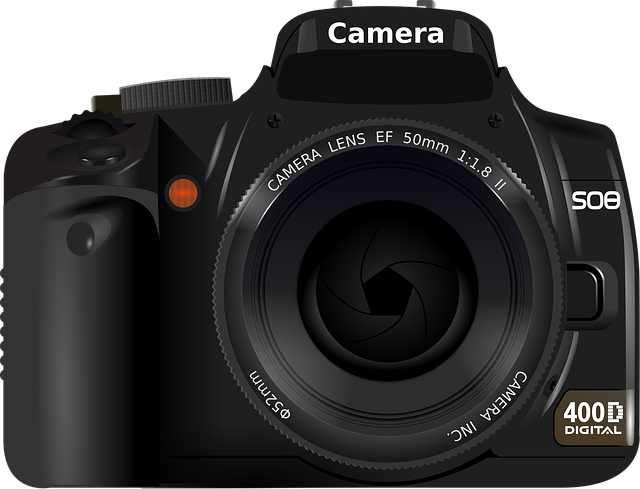
Advanced Driver Assistance Systems (ADAS) are transforming the way we drive, enhancing safety and efficiency on the roads. At the heart of this technology lies dash cam technology, a powerful tool that not only records vehicle events but also plays a crucial role in improving driver behavior and accident prevention. A Select Dash Cam, discreetly installed, can act as an intelligent observer, capturing critical data and providing insights into driving patterns.
ADAS uses a suite of sensors, cameras, and software to detect and predict potential hazards, alerting drivers and even taking control to avoid accidents. These systems include features like Forward Collision Warning (FCW), Adaptive Cruise Control (ACC), Lane Keeping Assist (LKA), and Automatic Emergency Braking (AEB). Dash cams are integrated into these systems to capture real-world driving conditions, providing invaluable data for algorithm training and performance validation. For instance, a vehicle surveillance system with a car dash cam mount can record high-resolution footage of road conditions, weather events, and driver interactions, enabling developers to fine-tune ADAS algorithms for improved accuracy.
Practical insights from experts suggest that discreet driver cameras, when used ethically and responsibly, can significantly contribute to road safety. Data collected from these devices can help identify risky driving behaviors like distracted or aggressive driving, allowing insurers to offer personalized safety programs. Moreover, in the event of an accident, dash cam footage can serve as irrefutable evidence, aiding in investigations and insurance claims. By selecting the right dash cam and strategically placing it, drivers can take control of their vehicle surveillance system, ensuring a safer and more secure driving experience.
The Role of Dash Cams in ADAS: Select Models for Optimal Safety

Advanced Driver Assistance Systems (ADAS) have revolutionized car safety by providing drivers with real-time information and support. At the heart of many ADAS features are car dash cams, which capture critical data for collision avoidance and evidence collection. When selecting a dash cam for optimal ADAS performance, consider factors like resolution, field of view, and processing power to ensure accurate detection and recording.
In Canada, where weather conditions can vary drastically, a smart dash cam is essential. Models with heat-sensitive glass and high dynamic range (HDR) technology can overcome poor lighting conditions, ensuring clear images even in fog or snow. Real-time alerts, powered by advanced algorithms, allow drivers to be notified of potential hazards like forward collision, lane departure, or blind-spot vehicles, enhancing awareness on the road. For instance, the latest generation of smart dash cams from reputable brands like Cohere’s automotive partners can detect up to 10 different ADAS events simultaneously, providing comprehensive protection.
Choosing the right dash cam involves understanding your specific needs and driving environment. High-resolution models offering 4K or higher video quality are ideal for detailed evidence capture in case of accidents. Wider field of view angles ensure a broader scope of recording, reducing blind spots. Additionally, look for features like GPS logging, Wi-Fi connectivity, and cloud storage options for seamless data access and backup. By selecting a top-tier dash cam tailored to your vehicle, you can maximize the benefits of ADAS technology, enhancing both safety and peace of mind while driving.
How Dash Cam Technology Enhances Vehicle Safety Features

Dash cam technology has emerged as a powerful tool in enhancing vehicle safety features, providing drivers with an extra layer of protection on the road. These car recording devices, or auto dash cams, capture real-time footage that can serve as invaluable evidence in the event of accidents, infractions, or disputes. For instance, a study by the Insurance Institute for Highway Safety (IIHS) found that presence of a dash cam significantly reduces claims of false accusations and increases fairness in insurance settlements.
Select Dash Cams, with their high-resolution video recording capabilities, offer clearer images and more detailed evidence than traditional camera systems. This is particularly crucial in complex traffic scenarios where split-second decisions are made. For example, a bus equipped with a dash cam can document the entire sequence of events during heavy traffic or when navigating through hazardous conditions, ensuring the safety of passengers and providing an objective record for any potential incidents. Auto dash cam reviews consistently highlight the importance of natural, unobtrusive installation and clear field of view—essential factors in capturing authentic data without compromising the driver’s visibility.
Moreover, advanced dash cam technologies now incorporate AI-driven features that further enhance safety. These include automatic collision detection, lane departure warnings, and pedestrian recognition, all of which contribute to proactive safety measures. For commercial fleets, such as taxi companies or logistics operations, integrating these smart dash cams can foster a culture of responsible driving and reduce operational risks. By analyzing recorded data, businesses can identify areas for driver training improvement, optimize route planning, and make informed decisions to enhance overall fleet safety performance.
In terms of practical implementation, it is advisable to select a dash cam that offers both local storage and cloud backup options, ensuring data redundancy. Additionally, choosing models with night vision capabilities ensures around-the-clock monitoring in various lighting conditions. Dash cams should be positioned strategically to capture all relevant angles without obstructing the driver’s view. Regular maintenance and updates are also vital to ensure optimal performance and access to the latest safety features. Remember that while dash cam technology is a powerful tool, it complements existing safety measures; drivers must remain vigilant and adhere to traffic rules for comprehensive vehicle security.
Data Logging and Evidence: Benefits of Integrating Dash Cams

Advanced driver assistance systems (ADAS) have revolutionized automotive safety, and integrating dash cam technology is a significant step further in this evolution. Data logging and evidence collection are pivotal aspects of ADAS, where 4K dash cams serve as powerful tools for enhancing driver behavior analysis and incident reconstruction. These high-resolution in-car recording solutions provide an objective and detailed record of events on the road, which can be invaluable in various scenarios.
One of the primary benefits is the ability to capture critical data during accidents or near-misses, ensuring a comprehensive understanding of driver actions and environmental factors. For instance, a 4K dash cam can record vehicle speed, lane position, and nearby traffic dynamics, offering an accurate representation of the incident. This data logging capability is essential for insurance claims, legal proceedings, and fleet management, as it provides tangible evidence to support or challenge statements, ultimately leading to fairer resolutions. Moreover, hidden dash cams, when strategically placed, can offer a more nuanced perspective, catching behaviors that may be missed by traditional cameras.
Select Dash Cams designed with advanced features like high dynamic range (HDR) and wide-angle lenses further enhance evidence collection. These technologies ensure clear and detailed footage even in varying lighting conditions, preserving crucial visual information. Additionally, many modern dash cams offer cloud storage and real-time data transfer, allowing for instant access to recordings and enabling faster decision-making processes. By integrating such technology, drivers and fleet operators can not only improve road safety but also gain a powerful tool for dispute resolution and operational optimization.
Future Trends: Evolving Dash Cam Capabilities in ADAS

The future of advanced driver assistance systems (ADAS) lies in the seamless integration of dash cam technology, which is set to transform road safety and vehicle surveillance. As these systems evolve, select dash cams will become even more than just a real-time dashboard recorder; they’ll act as intelligent eyes, providing crucial data for adaptive cruise control, lane departure warnings, and collision avoidance. This evolution is driven by the demand for more robust and comprehensive vehicle surveillance systems that can capture and analyze detailed footage in various lighting conditions and environments.
One of the key trends is the development of hidden camera technology that seamlessly blends into a vehicle’s interior, offering unobtrusive yet powerful surveillance capabilities. These hidden cameras, along with advanced image processing algorithms, enable continuous monitoring of driver behavior, vehicle surroundings, and even passenger safety. For instance, some advanced systems can detect signs of fatigue or distraction, alerting the driver to take a break. This proactive approach to driver assistance could significantly reduce accidents caused by human error.
Furthermore, the resolution and storage capacity of dash cams are expected to increase dramatically, allowing for higher-quality footage and longer recording periods. Higher definition cameras will capture more detail, aiding in post-event analysis and insurance claims. Advanced data management features will also enable real-time cloud storage and streaming, facilitating quick response times during emergencies or legal proceedings. As these capabilities mature, the role of select dash cams will extend beyond simple road recording to becoming integral components of a comprehensive vehicle surveillance system.
Advanced Driver Assistance Systems (ADAS) are transforming vehicle safety, with dash cam technology playing a pivotal role. By integrating select Dash Cams, these systems offer enhanced features like collision avoidance and lane departure warnings, improving road safety significantly. The article highlights the importance of choosing the right models for optimal performance, underscoring the value of data logging and evidence capture through dash cams. Looking ahead, future trends indicate evolving capabilities, promising an even more secure driving experience. To capitalize on these advancements, vehicle owners and fleet managers should prioritize selecting Dash Cams that seamlessly integrate with ADAS, ensuring they stay at the forefront of safety innovation.