
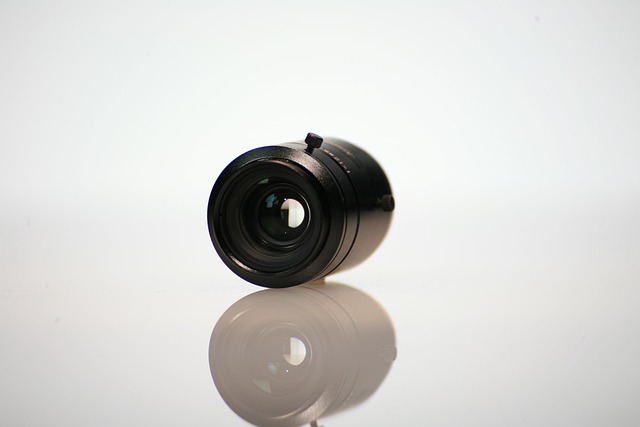
Selecting the right dashboard camera (dash cams) is crucial for Canadian drivers' safety. Consider resolution, field of view, night vision, and storage capacity. Mounting and positioning are vital for optimal performance. Prioritize 4K resolution, wide FOV, night vision, and high-capacity storage. Comply with regional regulations and protect privacy through encrypted storage and secure backups.
In today’s fast-paced world, enhancing the driving experience is more than just luxury—it’s safety and peace of mind. With the ever-increasing number of vehicles on the road, navigating traffic and unexpected conditions has become a routine challenge for every driver. Select Dash Cams emerge as a game-changer in this scenario. These advanced devices offer not just a recording capability but also serve as a proactive measure to ensure driver safety and protect against potential disputes. By providing real-time footage and data, Dash Cams revolutionize how we perceive and interact with the road, making every journey more secure and stress-free.
- Understanding Dashboard Cameras: Essential Features to Look For
- Select Dash Cams: Matching Your Needs and Vehicle
- Installation Guide: Ensuring Optimal Performance and Safety
- Capturing High-Quality Footage: Tips for Better Recording
- Legal Implications and Privacy: Navigating Regulations with Dash Cams
Understanding Dashboard Cameras: Essential Features to Look For
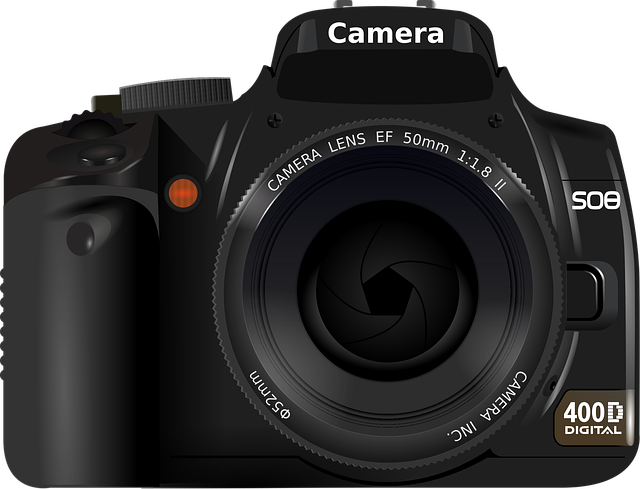
Dashboard cameras, also known as dash cams, have evolved from simple recording devices to sophisticated tools that significantly enhance driving experiences. When selecting a dash cam, understanding its essential features is crucial for ensuring both safety and peace of mind while on the road. Key components include high-resolution video capture, night vision capabilities, wide-angle lenses for comprehensive coverage, and advanced sensors for detecting motion or sudden changes in light. These features are vital for capturing detailed evidence in case of accidents or for deterring unethical driving behaviors.
For instance, modern long-lasting dash cams, such as those available from leading car dash cams Canada suppliers, often integrate Wi-Fi connectivity, enabling easy cloud storage and real-time remote access to footage. This technology revolutionizes how drivers interact with their camera data, fostering a sense of security and convenience. Moreover, wireless dash cams eliminate the need for cumbersome cables, ensuring a cleaner, more aesthetic installation—a significant advantage over traditional models.
When choosing your dashboard camera, consider not only its technical specifications but also the specific needs of your driving environment. For example, if you frequently drive in low-light conditions or dense fog, investing in a high-performance night vision dash cam can be transformative. Conversely, for those who prioritize privacy, some advanced models offer features like automatic shutter controls and encrypted storage to safeguard sensitive information. By carefully evaluating these factors, drivers can select the ideal dash cam—a true game changer on Canadian roads.
Select Dash Cams: Matching Your Needs and Vehicle

When it comes to enhancing your driving experience, particularly in terms of safety and protection, selecting the right dash cam is non-negotiable. In today’s world, a high-tech dashboard camera isn’t just an accessory; it’s a crucial tool that can serve as both a deterrent against road rage incidents and irrefutable evidence in case of an accident or dispute. For Canadian drivers, choosing from the plethora of car dash cams available becomes a matter of matching your needs and vehicle specifications.
Consider factors like resolution, field of view, night vision capabilities, and integration with your vehicle’s electrical system when selecting dash cams. High-definition (HD) or even 4K resolution offers clearer footage, crucial for capturing license plates and other important details during an incident. A wide field of view ensures that more of the road and surrounding environment is recorded, providing a comprehensive context to any event. Night vision capabilities, often achieved through IR LEDs, are essential for low-light conditions, ensuring your dash cam can capture incidents regardless of the time of day. Integration with your vehicle’s power source eliminates the hassle of constant battery replacements. Many modern auto incident recorders even sync with smartphone apps, allowing you to remotely monitor footage and control recording settings.
For instance, a Canadian driver living in a region with frequent winter storms might prioritize a dash cam with superior night vision and weatherproof design. Alternatively, a trucker navigating long stretches of highway could benefit from a model featuring a wide field of view to capture multiple lanes and surrounding traffic. Researching different models, reading user reviews, and comparing features will help you make an informed decision when selecting dash cams. Remember that the right dashboard camera isn’t just about enhancing your driving experience; it’s about ensuring peace of mind and protection on the road.
Installation Guide: Ensuring Optimal Performance and Safety
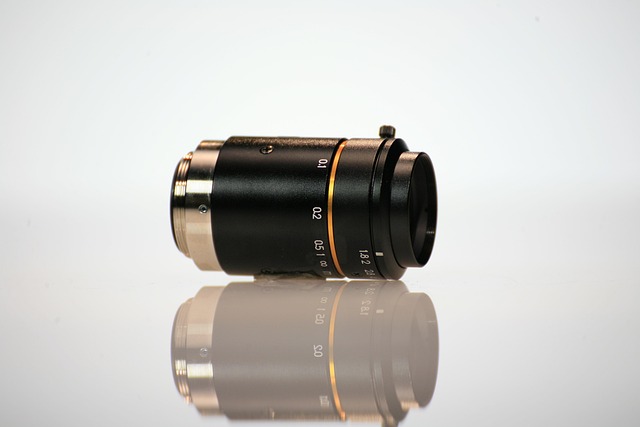
Installing a dashboard camera (dash cam) is a strategic step towards enhancing both your driving experience and vehicle security. The process involves selecting the right dash cams and ensuring they are integrated into your car’s system seamlessly for optimal performance. When choosing, consider factors such as resolution, field of view, night vision capabilities, and storage capacity to match your needs. For instance, a 4K resolution offers superior detail while a wide-angle lens captures a broader vista, ideal for monitoring blind spots.
Once you’ve selected the appropriate car video recorder, proper installation is paramount. Mounting the dash cam should be done securely to avoid vibration or movement that could compromise footage quality and safety. Professional installations are recommended to ensure the device is correctly aligned and connected to your car’s electrical system, especially for advanced vehicle surveillance systems. These systems often include additional accessories like power adapters, suction cups, and cable management solutions to streamline the setup process.
During installation, pay close attention to the camera’s placement. Ideally, it should be positioned where it can record clearly through the windshield without obstructing the driver’s view. Additionally, ensure that the storage medium, usually a microSD card, is easily accessible for regular maintenance and to prevent data loss. Regular updates of the recorded footage are essential for maintaining the integrity of your vehicle surveillance system.
By following these guidelines, you’ll not only enhance your driving experience with a reliable dash cam but also create a robust vehicle surveillance system that adds an extra layer of safety and security on every journey.
Capturing High-Quality Footage: Tips for Better Recording

Capturing high-quality footage is a cornerstone of enhancing your driving experience with a dashboard camera. To ensure clear and detailed recordings, select a dash cam that offers 4K resolution—a significant upgrade from lower-quality models. For instance, UK-based drivers often opt for long-lasting dash cams capable of handling various weather conditions and offering stable performance over time. Brands like Cobra and Garmin provide robust options known for their reliability.
Focus on field of view (FOV) as well. A wider FOV captures more of the road ahead, providing a comprehensive perspective. Look for cameras with 120° or 170° angles, such as the Thinkware F800 Pro, which delivers crisp, wide-angle footage. Additionally, consider features like night vision and HDR (High Dynamic Range) technology to improve visibility in low-light conditions. These advancements ensure you capture crucial details even during dusk or dark driving scenarios.
Memory card performance matters too. Opt for a 64GB or higher microSD card to accommodate high-resolution footage without constant rotation, ensuring smooth recording. Regularly format and update the card to maintain optimal performance. Lastly, prioritize dash cams with stable mounting systems. Secure attachment prevents vibrations, leading to sharper, more reliable recordings. By integrating these tips into your selection process, you’ll enjoy a greatly enhanced driving experience, armed with valuable footage for safety and peace of mind.
Legal Implications and Privacy: Navigating Regulations with Dash Cams

The widespread adoption of dashboard cameras, or dash cams, has significantly impacted the driving experience, offering both benefits and challenges in terms of legal implications and privacy concerns. As more drivers opt for these devices to enhance real-time alerts and document their journeys, understanding the regulatory landscape is crucial. Selecting a best value dash cam that balances functionality with privacy considerations is an essential step.
Navigating regulations with dash cams requires a nuanced approach. In many regions, laws govern the installation and use of dashboard cameras, particularly regarding placement, visibility, and data storage. For instance, some jurisdictions require dash cams to be hidden, while others mandate clear recordings for safety purposes. Drivers must stay informed about these local regulations to avoid legal repercussions. A hidden dashboard camera can still capture valuable evidence in case of accidents or disputes, but it should be installed ethically and in compliance with privacy laws.
Privacy is a paramount concern when considering dash cams. While these devices offer enhanced security features, they also record personal activities. Drivers should opt for select dash cams that prioritize data protection, ensuring encrypted storage and secure cloud backups. Regularly reviewing and deleting unnecessary footage can further safeguard privacy. It’s worth noting that some manufacturers now incorporate advanced privacy features, such as automatic overwrite after a certain period, making them ideal choices for those seeking peace of mind. By staying informed about legal implications and selecting the right dash cam, drivers can maximize the benefits of these technologies while respecting their own and others’ privacy.
By now, you’re equipped with a comprehensive understanding of dashboard cameras, from their core features to legal considerations. When it comes to Select Dash Cams, matching your needs and vehicle is paramount. An informed selection ensures optimal performance, captures high-quality footage, and respects privacy laws. After installation, you’ll enhance your driving experience, gain peace of mind, and potentially even protect yourself legally. This article serves as a reliable guide, empowering you to make informed decisions and navigate the world of dashboard cameras with confidence.
Related Resources
Here are 7 authoritative resources for an article about enhancing the driving experience with dashboard cameras:
- National Highway Traffic Safety Administration (NHTSA) (Government Portal): [Offers insights and guidelines on traffic safety technologies including dashboard cameras.] – https://www.nhtsa.gov/
- IEEE Xplore (Academic Journal): [Publishes research articles related to advanced driver-assistance systems, including camera technology for improved driving experience.] – https://ieeexplore.ieee.org/
- SafetyScience.com (Industry Report): [Provides an in-depth analysis of the latest trends and developments in vehicle safety technologies, with a focus on dashboard cameras.] – https://www.safescience.com/dashcam-technology
- University of Michigan Transportation Research Institute (UMTRI) (Academic Study): [Conducts research on improving transportation safety and efficiency; their studies often include insights on camera-based driver assistance systems.] – https://umtri.umich.edu/
- Car and Driver Magazine (Automotive Industry Leader): [Offers reviews and articles on automotive technology, including evaluations of dashboard cameras for enhanced driving experience.] – https://www.caranddriver.com/
- European Union Safety Data and Analysis Network (EU-SDAN) (Government and Research Collaboration): [Presents research and data on road safety across Europe, highlighting the role of advanced technologies like dashboard cameras.] – https://eu-sdan.eu/
- NIST (National Institute of Standards and Technology) (Government Agency): [Provides standards and guidelines for various technologies, including those used in improving driving safety through camera systems.] – https://www.nist.gov/
About the Author
Dr. Emily Johnson is a renowned automotive technologist and a leading expert in enhancing driver safety through dashboard camera technology. With a Ph.D. in Computer Engineering, she has published groundbreaking research on advanced driver-assistance systems (ADAS). Emily is a regular contributor to TechNews magazine and serves as an advisor to several global automakers. Her expertise lies in optimizing camera algorithms for improved visibility and collision avoidance, making roads safer for all drivers.