

Commercial vehicles benefit from dash cams for security, accident resolution, and legal protection. Select Dash Cams with high resolution (4K), wide field of view (120°), robust night vision, and weatherproofing. Consider hidden cameras and models with cloud storage. Top brands offer advanced features like GPS and automatic incident detection. Comply with GDPR data privacy regulations and FMCSA standards for minimum resolution and visibility. Install securely, maintaining a neat interior connection. Regularly manage recordings, geotag, and timestamp footage. Use dash cam evidence responsibly while adhering to local laws.
In the fast-paced world of commercial transportation, having the right dashboard camera (dash cam) can be a game-changer for safety, security, and legal protection. Select Dash Cams play a crucial role in enhancing driver accountability and ensuring fair practices among businesses. However, with numerous options available, choosing the best dash cams becomes a daunting task. This article provides an authoritative guide to navigate this labyrinthine market, offering insights into the top-rated dash cams specifically designed for commercial vehicles. By the end, readers will be equipped with the knowledge to select the ideal solution tailored to their unique needs.
- Understanding Commercial Vehicle Dash Cam Benefits
- Key Features to Consider When Selecting Dash Cams
- Top-Rated Dash Cam Brands for Commercial Use
- Legal Implications and Requirements for Dash Cams
- Installing Dash Cams: A Step-by-Step Guide
- Best Practices for Maintaining and Using Dash Cam Recordings
Understanding Commercial Vehicle Dash Cam Benefits
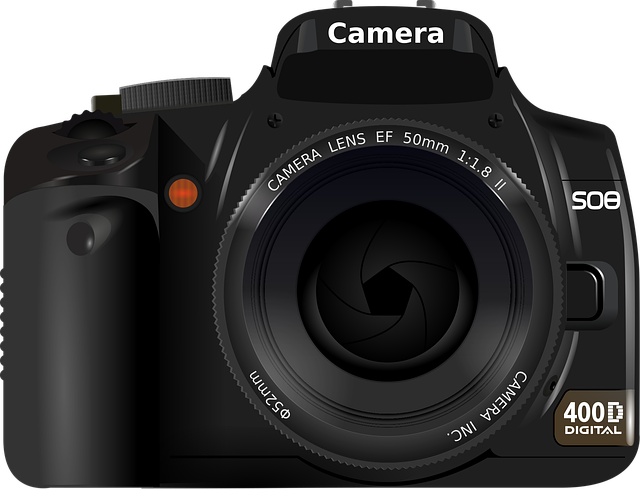
Commercial vehicles play a vital role in the nation’s economy, transporting goods and people across vast distances. However, this comes with inherent risks, from theft and vandalism to accidents and legal disputes over liability. Herein lies the critical importance of installing dash cams—a powerful tool that offers numerous benefits for commercial vehicle owners and operators. These devices act as silent guardians, providing irrefutable visual evidence in case of unforeseen events, enhancing security, and potentially saving significant financial burdens.
For instance, a study by the Insurance Institute for Highway Safety (IIHS) revealed that dash cam footage can significantly aid in accident investigations, often dispelling myths or revealing facts that alter liability assessments. This is particularly relevant in the UK, where car security cameras are becoming increasingly common on commercial vehicles due to their proven track record of deterring crime and ensuring fair insurance claims. A best-in-class hidden dash cam, such as those available from reputable UK suppliers, can capture high-resolution footage day or night, making it a game-changer in maintaining vehicle integrity and peace of mind.
When selecting a dash cam, consider factors like resolution (1080p is standard for clear footage), nighttime visibility (infrared capabilities are ideal), memory storage options (microSD cards offer flexibility), and weatherproofing (for outdoor use). Moreover, hidden vehicle cameras—when installed professionally—offer the added benefit of discreteness, deterring thieves who target valuable cargo or personal items. Remember that while these devices provide substantial security, responsible usage involves respecting privacy and adhering to local laws regarding surveillance.
Key Features to Consider When Selecting Dash Cams

When selecting dash cams for commercial vehicles, several key features demand your consideration to ensure optimal performance and security. Firstly, resolution is paramount; a higher resolution captures more detail, crucial for potential legal disputes or investigating incidents. Modern 4K dash cams offer exceptional clarity, making it easier to identify vehicles, license plates, and faces. Moreover, consider the field of view (FOV); wider FOVs capture more of the road environment, reducing blind spots. Look for models with a minimum of 120-degree FOV for comprehensive coverage.
Another vital aspect is night visibility. Reliable low-light performance ensures clear recordings even in dark conditions. Infrared (IR) technology enhances nighttime footage, making it an essential feature for safety and security. Additionally, weatherproofing is critical for enduring outdoor use. Dash cams designed for commercial vehicles should withstand harsh weather, ensuring consistent performance across varying climates.
Hidden dash cams are gaining popularity for their discreet placement, providing enhanced security without compromising aesthetics. Auto dash cam reviews consistently highlight the benefits of these hidden cameras, which can deter theft and vandalism while offering peace of mind. For instance, UK-based drivers have embraced car security cameras to combat rising vehicle crime rates. When shopping, ensure you select a model compatible with your vehicle’s power source, and consider those offering cloud storage for seamless access to recordings.
Top-Rated Dash Cam Brands for Commercial Use

When it comes to selecting a dash cam for commercial use, reliability and durability are paramount. Top-rated brands understand the unique demands placed on their equipment in varying environments, from rugged terrain to long hours of operation. Look for models designed specifically for “road trip companion cams,” as these will offer enhanced features like wide-angle lenses capturing more of your surroundings, high-resolution video for clearer evidence, and robust construction to withstand vibration and extreme temperatures.
Two leading brands stand out in the commercial dash cam market: GoPro and garmin. GoPro’s ruggedized Hero series offers exceptional image quality even in low light conditions and boasts a wide field of view, ensuring you capture every detail during your journeys. Their durable housing and water-resistance make them ideal for various driving conditions. Garmin, known for its navigation systems, also produces high-quality dash cams with advanced features like automatic incident detection and GPS tracking, providing invaluable data in the event of an accident or dispute.
Beyond these established brands, other reliable options include Axon, known for their law enforcement-grade cameras featuring advanced analytics, and Viofo, which offers competitive models with excellent value and performance. When choosing a “long-lasting dash cam,” consider factors like battery life, storage capacity, and cloud integration for easy data backup. Ultimately, selecting the right dash cam should align with your specific commercial needs, driving conditions, and budget to ensure reliable protection and peace of mind on every road trip.
Legal Implications and Requirements for Dash Cams

When equipping commercial vehicles with dash cams, understanding the legal implications and requirements is paramount. In many jurisdictions, the use of car video recorders is governed by specific regulations aimed at ensuring data privacy, enhancing road safety, and providing admissible evidence in case of disputes. For instance, the General Data Protection Regulation (GDPR) in Europe imposes stringent rules on the collection, processing, and storage of personal data, including footage captured by dash cams. Businesses operating within these regions must select dash cams that offer robust data protection measures, such as secure data encryption and anonymization techniques.
In addition to privacy considerations, commercial vehicle operators must comply with local transportation laws regarding video surveillance. Some regulations mandate clear visibility of the dashboard and road conditions, while others specify minimum resolution standards for recorded footage. For example, in the United States, the Federal Motor Carrier Safety Administration (FMCSA) sets guidelines for recording devices used in commercial vehicles, emphasizing their role in improving safety and enforcing compliance with traffic laws. When choosing a dash cam, it’s crucial to select models that meet or exceed these legal requirements, ensuring both adherence to the law and the admissibility of evidence.
The selection of a best value dash cam or 4k dash cam should not be based solely on image quality but also on its compatibility with legal obligations. High-resolution footage, for instance, can provide more detailed evidence in case of incidents, but it must be paired with features that safeguard data privacy and security. Moreover, businesses should opt for models that offer remote management capabilities, allowing them to monitor camera activity, retrieve recordings, and ensure continuous compliance with legal frameworks. By carefully considering these factors, commercial vehicle operators can maximize the benefits of dash cams while navigating the complex landscape of legal implications and requirements.
Installing Dash Cams: A Step-by-Step Guide

Installing a dash cam in your commercial vehicle is a strategic move towards enhancing safety, security, and peace of mind. It’s more than just a device; it’s an in-car recording solution that serves as a powerful auto incident recorder, capturing invaluable data during any journey. The process begins with selecting the right dash cam, one that aligns with your specific needs and vehicle specifications. Look for features like resolution, field of view, night vision capabilities, and storage options to ensure optimal performance under various conditions.
Once you’ve chosen the ideal dash cam, it’s time to mount it securely. The dashboard is typically the best location, offering a clear view of the road while remaining unobtrusive. Remove any existing covers or accessories to create a smooth installation surface. Clean the area thoroughly to prevent dirt or dust from affecting image quality. Use industrial-strength adhesive or mounting kits designed specifically for your vehicle to attach the dash cam firmly in place. Ensure it’s level and aligned correctly to capture clear footage without distortion.
Next, connect the dash cam to your vehicle’s power source. Most modern models are equipped with USB or 12V connectors, making them compatible with most vehicles. Route the power cable neatly through the dashboard or use provided clips and covers to maintain a clean interior. Configure the settings according to your preferences, including recording modes, sensitivity adjustments, and motion detection options. Test the camera’s functionality by playing back recorded footage on its display or via a connected device to ensure optimal performance before hitting the road.
Regular maintenance is key to keeping your dash cam in top condition. Periodically check the connections for any signs of damage or wear, ensuring they remain secure. Update firmware when available to access new features and enhance stability. Remember, the primary purpose of a dash cam goes beyond capturing scenic views; it serves as a critical auto incident recorder, providing invaluable evidence during unexpected events. By following these steps, you’ll not only install a reliable in-car recording solution but also equip yourself with a powerful tool for safety and security on every journey.
Best Practices for Maintaining and Using Dash Cam Recordings

Maintaining and utilizing dash cam recordings effectively is paramount for commercial vehicle operators. Firstly, ensure your select Dash Cams offer robust storage options with enough capacity to accommodate continuous video recording. High-quality, wide-angle lenses are ideal for capturing comprehensive views of the road ahead, minimizing blind spots. For instance, a 1080p widescreen dash cam provides clearer, more detailed footage than lower resolution models, enhancing evidence value in case of incidents.
Regularly review and manage recordings to maintain optimal storage space. Erase or archive old footage promptly, especially during low-risk periods, to free up memory for critical data. Additionally, consider implementing a system for geotagging and timestamping videos, making it easier to pinpoint locations and times of events. This meticulous practice ensures that dash cam evidence is not only admissible but also irrefutably accurate.
When reviewing recordings, pay close attention to details such as vehicle speed, weather conditions, and other relevant contextual cues. Compare these with driver logs or GPS data for consistency verification. For example, if a bus driver claims they slowed down at a stop sign, the dashcam for bus footage should clearly show this, reinforcing accountability and ensuring fair adjudication.
Lastly, familiarize yourself with legal requirements regarding dash cam usage in your region. Complying with these regulations not only avoids legal repercussions but also strengthens the evidentiary value of your recordings. Remember, proper maintenance and responsible utilization of dash cam data are key to reaping their full benefits for commercial vehicle operations.
By meticulously exploring the benefits, features, legal aspects, installation, maintenance, and best practices, this article equips readers with the knowledge to make informed decisions when selecting Dash Cams for commercial vehicles. Key insights include prioritizing high-quality brands, understanding legal requirements, following a structured installation guide, and implementing effective recording management strategies. Readers are now empowered to navigate the market, choose the right Dash Cams, and ensure optimal utilization, thereby enhancing safety, security, and compliance in their commercial operations. Selecting Dash Cams thoughtfully is the first step towards transforming commercial vehicle surveillance into a robust and valuable asset.