

Wireless dash cams offer modern, convenient, and discreet in-car surveillance with advanced features like night vision. Select models with high-definition video, easy installation, and compatible mounts for optimal field of view. Prioritize reputable brands and ensure proper installation for peace of mind and legal protection. Follow best practices including high-resolution cameras, secure mounts, firmware updates, and cloud storage for enhanced driving safety.
In today’s fast-paced world, having a reliable and hassle-free dash cam installation is more crucial than ever for safety and peace of mind while on the road. With advancements in technology, wireless dash cams have emerged as a game-changer, offering convenience and ease of use. However, navigating the market to find the perfect fit can be challenging. This article delves into the world of wireless dash cams, providing an authoritative guide for drivers seeking a simple yet secure installation process. We’ll explore the benefits, features, and best practices for selecting top-quality Dash Cams that seamlessly integrate into your vehicle, ensuring a smooth driving experience.
- Understanding Wireless Dash Cam Benefits
- Factors to Consider When Select Dash Cams
- Evaluating Installation Ease and Compatibility
- Step-by-Step Guide for Hassle-Free Setup
- Best Practices for Optimal Performance and Safety
Understanding Wireless Dash Cam Benefits
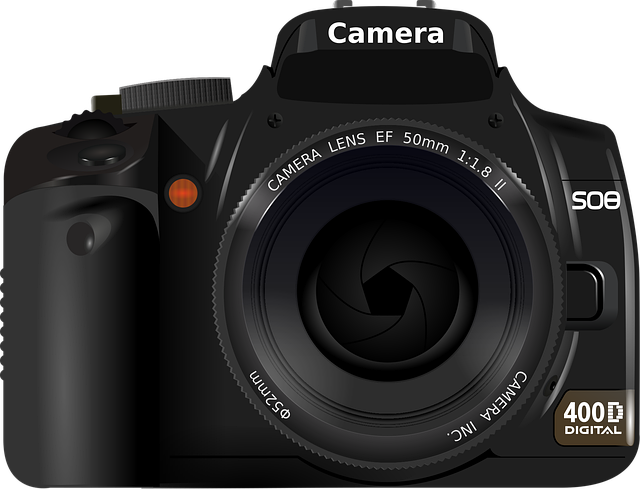
Wireless dash cams offer a seamless and modern approach to in-car surveillance, eliminating the hassle of messy wiring and complex installations. By embracing this technology, drivers can easily monitor their vehicles without compromising aesthetics or comfort. One of the key advantages is the convenience they provide; simply plug in the transmitter, and the camera connects wirelessly to your dashboard, ensuring a clean and discreet setup. This hands-off installation process allows you to focus on the road while keeping an eye on your vehicle’s well-being.
The benefits extend further, especially when considering advanced features like night vision capabilities. Modern wireless dash cams are equipped with infrared technology, enabling clear footage even in low-light conditions. For instance, a dashboard camera for cars with night vision can capture license plates and road signs with remarkable clarity during dusk or dark hours, enhancing safety and legal protection. These cameras also often include hidden options, allowing them to blend seamlessly into the dashboard, serving as silent sentinels, which is ideal for deterring theft or monitoring vehicle behavior.
Selecting a suitable wireless dash cam involves evaluating your specific needs. For example, if you’re looking for a more hidden solution, consider models that can be mounted behind rear-view mirrors or tucked away in console compartments. This discreet approach maintains the car’s original look while still providing valuable footage. Remember to choose reputable brands offering reliable connectivity and robust construction to withstand varying environmental conditions, ensuring your investment delivers long-term benefits without causing a nuisance during installation.
Factors to Consider When Select Dash Cams

When selecting wireless dash cams for hassle-free installation, several key factors come into play. Firstly, consider your specific needs on the road. For instance, if you’re frequenting remote areas, a cam with robust wireless connectivity and reliable power backup options becomes crucial. Think of it as your digital road trip companion cam, ensuring every moment is captured smoothly. Moreover, if you often reverse or need to monitor your car’s surroundings, incorporate a reverse camera into your selection—it can be a game-changer in tight parking spots or during retrofitting.
The quality and features of the best value dash cam should also be top of mind. Look for high-definition video resolution (1080p or better) for crystal-clear footage, especially in low light conditions. Night vision capabilities are equally important. Some models employ advanced IR technology to capture clear images even in complete darkness—a must-have for those frequenting the highway at night. Additionally, storage capacity is paramount; ensure the cam offers ample space or supports expandable memory cards to accommodate potential lengthy video logs.
Another vital aspect involves ease of installation and integration with your vehicle’s systems. Many modern dash cams boast plug-and-play capabilities, but verify compatibility with your car’s OBD-II port (or other relevant connectors) for seamless setup. Moreover, consider the mounting options—adjustable mounts or magnetic bases can make all the difference in achieving the perfect field of view without compromising on aesthetics. Remember, a well-installed dash cam acts as a reliable reverse camera and offers peace of mind while you’re on the road.
Evaluating Installation Ease and Compatibility

When selecting a dash cam for hassle-free installation, evaluating ease of installation and compatibility is paramount. The process involves assessing how seamlessly the device integrates with your vehicle’s dashboard and power system, ensuring minimal disruption during setup. For instance, consider a 4K dash cam—a popular choice for its superior video quality—which should offer plug-and-play connectivity, requiring little more than a single cable connection to your car’s power outlet. Waterproof dash cams, another preferred option due to their resilience against adverse weather conditions, typically employ suction cups or adhesive mounts that securely fasten to the dashboard without damaging the original finish.
Compatibility issues often arise from variations in vehicle models and years. A key step is to verify the dash cam’s compatibility with your specific car make and model. Some manufacturers offer models designed for universal installation, while others specialize in tailored solutions. For instance, a dashboard recorder made for wider vehicles might not fit compact cars due to differences in dashboard layouts. Consulting manufacturer specifications and customer reviews can provide valuable insights into expected compatibility and installation challenges.
Installation ease is also influenced by the dash cam’s design and included accessories. Sleek, compact units with intuitive controls and clear instructions typically offer a smoother setup experience. Conversely, complex setups with numerous components might require more time and technical knowledge. For example, some advanced 4K dash cams may include GPS modules for location tracking, requiring additional wiring and configuration. Selecting a dash cam that aligns with your comfort level and available tools is essential for a hassle-free installation process.
Step-by-Step Guide for Hassle-Free Setup

Selecting a wireless dash cam for hassle-free installation involves understanding your vehicle’s requirements and choosing the right technology. Start by evaluating your specific needs; for instance, a truck driver might require a G-sensor dash cam to protect against sudden decelerations during transport, while an everyday commuter may prioritize a more affordable model with basic recording features. Researching different types of dash cams—such as those with built-in GPS or Wi-Fi connectivity—helps ensure you get a device that offers the functionality and convenience you expect.
Next, consider the setup process. Many modern wireless dash cams boast plug-and-play capabilities, making installation simple and fast. Some models even come with detailed instruction manuals and step-by-step guides available online for reference. For instance, a popular G-sensor dash cam might have an intuitive process that involves mounting the camera on your dashboard, connecting it to your vehicle’s power source, and adjusting settings via a companion app. Regularly check user reviews to understand how other users found the setup experience.
Once you’ve chosen a select dash cam, follow these universal steps for a smooth installation:
1. Locate an ideal mounting spot: Dash cams should be positioned where they can capture clear footage of the road ahead while adhering to local laws regarding line-of-sight requirements. A central location on the dashboard is often best for maintaining optimal vision.
2. Secure the camera: Use provided mounting hardware or adhesive pads to firmly attach the dash cam to your chosen spot, ensuring it’s stable and won’t obstruct the driver’s view.
3. Connect power: Plug in the camera using a dedicated power cable, following manufacturer instructions to avoid damaging the device or your vehicle’s electrical system. For wireless models, ensure good signal strength and follow pairing procedures for a secure connection.
4. Adjust settings: Configure recording preferences, event detection rules (like G-sensor triggers), and other parameters through the camera’s app or settings menu to tailor the dash cam to your needs. Test the recording quality and field of view before hitting the road.
Best Practices for Optimal Performance and Safety

To ensure optimal performance and safety with your wireless dash cam, consider these best practices. First, select Dash Cams that offer high-resolution video quality—at least 1080p—for clear footage in various lighting conditions. Secondly, prioritize models with real-time alerts; these notify you of sudden movements or changes in the camera’s field of view, enhancing your awareness while driving. For example, some advanced dash cams can detect and record incidents automatically, serving as a reliable auto incident recorder.
Proper installation is paramount for hassle-free operation. Utilize a secure and suitable car dash cam mount designed specifically for your vehicle to avoid shaky footage. Position the camera at eye level or slightly below to capture an unobstructed view of the road ahead without obstructing your line of sight. This simple step significantly improves the quality and legality of recorded footage.
Regularly update your dash cam firmware to access new features, improved performance, and enhanced security. Many modern models offer cloud storage options for secure backup, ensuring your recordings are safe from loss or damage. By adhering to these practices, you can maximize the benefits of a wireless dash cam—from enhanced driving safety to peace of mind on the road.
By understanding the benefits of wireless dash cams and carefully considering factors like compatibility and installation ease when Select Dash Cams, users can enjoy hassle-free setup and optimal performance. The step-by-step guide provided offers a straightforward path to successful integration. Best practices for safety and performance ensure not only effective monitoring but also peace of mind while on the road. This comprehensive approach equips readers with the knowledge to make informed decisions, enhancing their driving experience in today’s digital age.