

Dash cams revolutionize asset management for businesses, enhancing security with high-def footage and real-time data. Key features to select include video quality, motion detection, GPS tracking, and night vision. Integration into fleet systems improves driver behavior, reduces accidents, and enables efficient tracking. Best practices for management ensure effective utilization and continuous protection in a dynamic digital landscape.
In today’s world, where the value of personal and business assets is paramount, ensuring their security and protection has become a top priority. With increasing instances of theft and vandalism, keeping a close eye on your assets is more crucial than ever. This is where Select Dash Cams step in as a game-changer. These innovative devices offer a comprehensive solution by providing real-time surveillance and irrefutable evidence, allowing you to stay one step ahead of potential threats. By installing dash cams, individuals and businesses alike can safeguard their valuable possessions, be it a personal vehicle or a fleet of commercial trucks, from unforeseen circumstances.
- Understanding Dash Cam Benefits for Asset Management
- Selecting the Right Dash Cam: Features to Consider
- Integrating Dash Cams into Your Asset Tracking System
- Best Practices for Maintaining and Using Dash Cam Recordings
Understanding Dash Cam Benefits for Asset Management
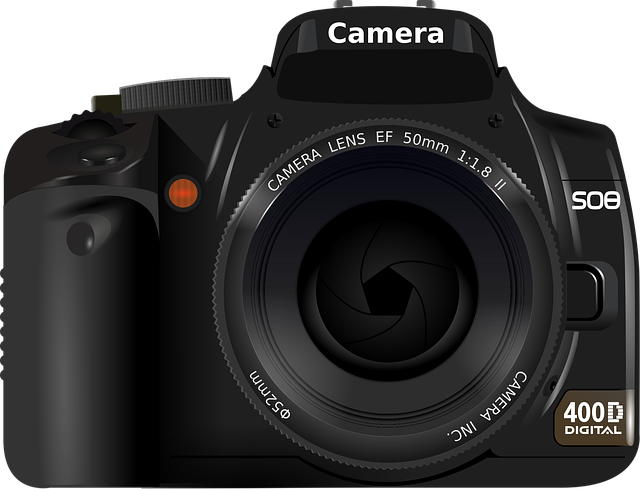
In today’s digital age, asset management is a complex yet crucial aspect for businesses across various sectors. One powerful tool emerging as a game-changer in this domain is the dash cam—a discreet driver camera designed to capture and record valuable insights while on the road. By selecting the right dash cams, companies can gain unparalleled visibility into their fleet operations, leading to enhanced efficiency and cost savings.
Dash cams offer numerous benefits for asset management, especially in night driving conditions where traditional surveillance methods falter. These compact, waterproof devices act as silent sentinels, capturing high-definition footage that serves as an invaluable record of vehicle activity. For instance, a study by the Insurance Institute for Highway Safety revealed that dash cams can reduce claims costs by up to 27% through accurate documentation and dispute resolution. Furthermore, they provide real-time data on driver behavior, enabling companies to identify areas for improvement in training programs and safety protocols.
The right dash cam should offer clear image quality, reliable connectivity, and advanced features like motion detection and automatic recording. Night driving assistants built into these devices ensure round-the-clock monitoring, enhancing road safety and security. By integrating this technology into their asset management strategies, businesses can make informed decisions based on concrete data, ultimately streamlining operations and fostering a culture of responsible driving practices among their employees.
Selecting the Right Dash Cam: Features to Consider

Selecting the right dash cam is a crucial step in keeping a close eye on your assets. With a wide range of options available, from affordable dash cams to high-tech dashboard cameras, understanding key features becomes essential. Look for models that offer clear and sharp video quality, with resolutions like 1080p or higher, ensuring you capture detailed evidence should an incident occur.
One critical feature is motion detection, which automatically triggers the camera to record when movement is sensed. This is particularly useful for preventing false recordings and conserving storage space. Additionally, consider models with GPS functionality, allowing you to track vehicle location and potentially aid in insurance claims. Night vision capabilities are another valuable asset, as they provide clear images even in low-light conditions.
When choosing an auto dash cam, weigh the benefits of cloud storage for easy access to footage from anywhere, versus local memory cards which offer more privacy. Some advanced models also include Wi-Fi connectivity, enabling remote viewing and control via a smartphone app. For instance, consider a high-tech dashboard camera that offers real-time alerts about potential hazards or speeding, enhancing both safety and awareness. Ultimately, select a dash cam that aligns with your specific needs, balancing features, affordability, and reliability.
Integrating Dash Cams into Your Asset Tracking System

Integrating dash cams into your asset tracking system offers a powerful solution for enhancing vehicle surveillance and security. These compact yet robust devices have evolved from mere driving aids to become integral components in asset management strategies, especially for businesses operating a fleet of vehicles. By strategically placing dashboard cameras, such as top-rated dash cams known for their advanced features and hidden installation options, you create an invisible yet vigilant network that monitors your assets’ activities.
The benefits are multifaceted. Dash cam technology provides real-time visibility, enabling you to track vehicle locations, monitor driver behavior, and even detect potential theft or unauthorized use. For instance, a study by the National Transportation Safety Board (NTSB) revealed that dash cams can significantly reduce traffic accidents by providing objective evidence in case of disputes. Moreover, these cameras act as powerful deterrents, ensuring that drivers adhere to safety regulations and company policies.
Selecting the right dash cam is crucial for optimal performance and integration. Look for models with high-resolution sensors, night vision capabilities, and advanced recording features. Top-tier brands offer both visible and hidden dashboard cameras, catering to diverse needs. Ensure compatibility with your existing vehicle surveillance system through seamless data transfer protocols. Regularly review and update your fleet’s dash cam setups to keep pace with technological advancements, ensuring continuous asset protection and efficient tracking in the ever-evolving digital landscape.
Best Practices for Maintaining and Using Dash Cam Recordings

Maintaining and effectively utilizing dash cam recordings is a critical aspect of keeping a close eye on your assets. The best practices involve ensuring consistent, high-quality video capture with reliable hardware such as a robust dashboard camera for car or real-time dashboard recorder. These devices should offer clear resolution, stable recording, and easy retrieval of footage—essential features to capture and preserve detailed evidence. Regularly updating software and firmware is also vital; it enhances performance, improves stability, and can even add new functionality to your car video recorder.
To maximize the benefits, implement a structured management system for your recordings. This includes organizing files by date or event, backing up data securely, and setting clear retention policies for different types of footage. For instance, while short-term recordings might be useful for daily commuting, longer-term archives can provide valuable context in case of an incident. It’s also crucial to understand local laws regarding dash cam use and privacy to ensure compliance.
Additionally, integrating these devices with other vehicle systems—such as GPS or fleet management software—can offer enhanced capabilities. For example, synchronizing video with location data allows for accurate incident reconstruction. Regularly reviewing recordings can help identify patterns, improve driver behavior, and foster a culture of safety and responsibility within your organization. By adopting these best practices, you can transform dash cams from mere recording devices into powerful tools for asset protection and operational improvement.
By closely monitoring your assets with dash cams, organizations can significantly enhance operational efficiency and security. Selecting the right dash cam involves considering features like resolution, storage capacity, motion detection, and integration capabilities to ensure optimal performance. When integrated into existing asset tracking systems, dash cams provide real-time insights, facilitating proactive management and better decision-making. Best practices include regular maintenance, secure cloud storage of recordings, and strict data retention policies. By following these guidelines and naturally selecting Dash Cams tailored to specific needs, businesses can harness the full potential of this technology for robust asset management.